
The journey from a spark of inspiration to a finished feature film is rarely a straight line. For South African filmmaker Jonty Acton, the path to his upcoming film, The Reconciliation, involved a decade of shifting perspectives – moving from the escapism of Star Wars to the grit of social realism.
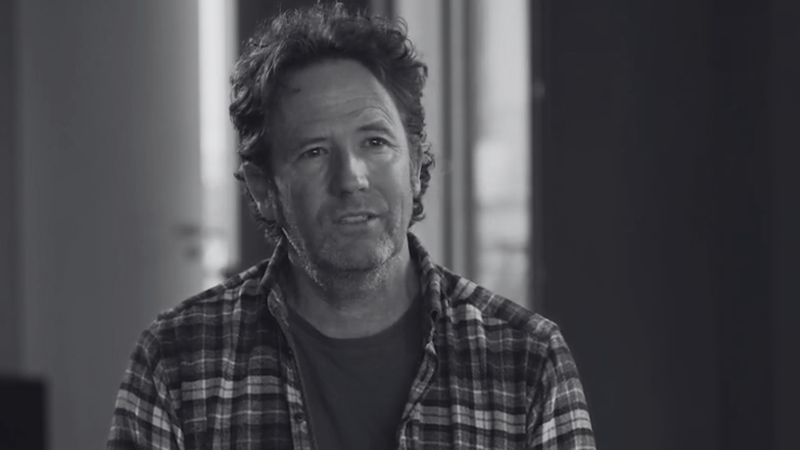
Based on his recent conversation with Spling, here’s an exploration of what it truly takes to develop a script that balances personal history with national identity.
The Myth of the “Quick Script”
Early in his career, Acton wrote a horror B-movie in just two weeks. It got released, it had a premiere and it was “exciting” – but it was also a wake-up call. Acton realised that to do the work “properly”, he had to treat the craft with a new level of seriousness.
The Reconciliation has been a five-year development cycle. This is the reality of independent filmmaking:
Organic Evolution: A script isn’t a static document; it’s a living thing that changes as you gain feedback and deeper insights.
The Funding Hustle: Navigating bodies like the NFVF (National Film and Video Foundation) requires patience and a “bulletproof script”.
The Long Game: If you want to move beyond clichés, you’ve got to be willing to sit with the material until the “truth” of the characters emerges.
The Microcosm: Personal Meets Political
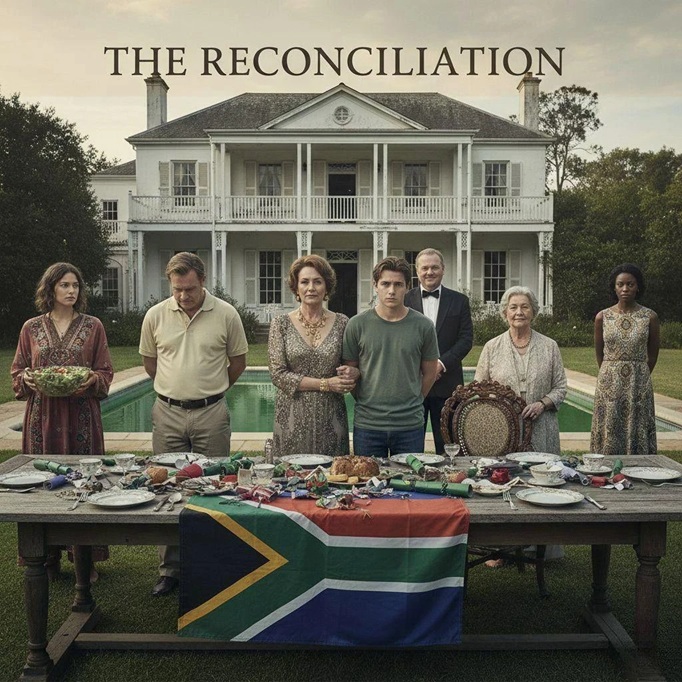
One of the most insightful takeaways from Acton’s process is how he uses a contained setting to explore massive themes. The film is inspired by his own family’s “normal” yet “unspoken” Christmas reunions following a divorce.
By centring the story on a single dinner table, he creates a microcosm for South Africa’s national reconciliation. For screenwriters, this is a masterclass in scale:
Don’t try to write “The History of a Nation.” Do write “The History of a Dinner”. When you zoom in on the specific artifacts – the inherited furniture, the Woolworths Christmas crackers, the rigid rituals – the universal themes of prejudice and identity naturally rise to the surface.
Visual Grammar as Script Development
Acton’s influences, like Andrei Zvyagintsev and Mike Leigh, highlight a crucial screenwriting technique: Location as Antagonist. In The Reconciliation, the house isn’t just a backdrop; it’s a character that “suffocates” the occupants.
Acton plans to translate this into the visual script, using the exterior to deliver handheld, fluid and kinetic energy and moving towards locked-off frames and stagnation in the interior.
As a writer, you should be thinking about how the physical space forces your characters to make “difficult choices”. If the room feels like it’s shrinking, the dialogue should feel like it’s tightening.
The “Mike Leigh” Approach: Stealing from Actors
While many writers feel they must have every syllable perfect before hitting the set, Acton advocates for a more collaborative, workshop-heavy approach.
“I love the idea of collaborating and stealing as much from [actors] as I can. Because I think that brings so much.”
By leaving space in the script for actors to bring their own “naturalistic performances”, you allow the characters to breathe. This doesn’t mean the script is “unfinished” – it means it’s designed for performance.
Sitting in the Discomfort
Perhaps the most “indie” aspect of Acton’s approach is his refusal to provide a “clean and happy” ending. He intentionally pushes “uncomfortable buttons” regarding identity and privilege.
In script development, there’s often a temptation to “fix” the discomfort to make the story more mainstream. However, Acton’s experience with crowdfunding showed him that audiences are often happy to sit in discomfort if it leads to an honest conversation.
At the end of the day, you’ve got to trust your audience. If you’re investigating your own prejudices through your writing, they will likely find a mirror for their own.