
When it comes to indie films, there’s a specific kind of magnetism that comes from performers who understand the geometry of a scene as well as they understand the emotional subtext. Taylor Anne Danehower is exactly that kind of actress – a prolific talent who’s spent the last few years carving out a space for herself in Los Angeles with a work ethic that feels more like a marathon than a sprint.

Having transitioned from the high-stakes world of competitive dance to the nuanced demands of the screen, Taylor brings a rare, disciplined physicality to her roles, most notably as the guarded Ashley in the recent thriller The Lonely Crowd. In our conversation, we explored the “light bulb” moments of her career, the tactical advantages of a dance background in film, and the uncanny personal parallels that made her role in David St. Clair’s latest project feel like destiny.
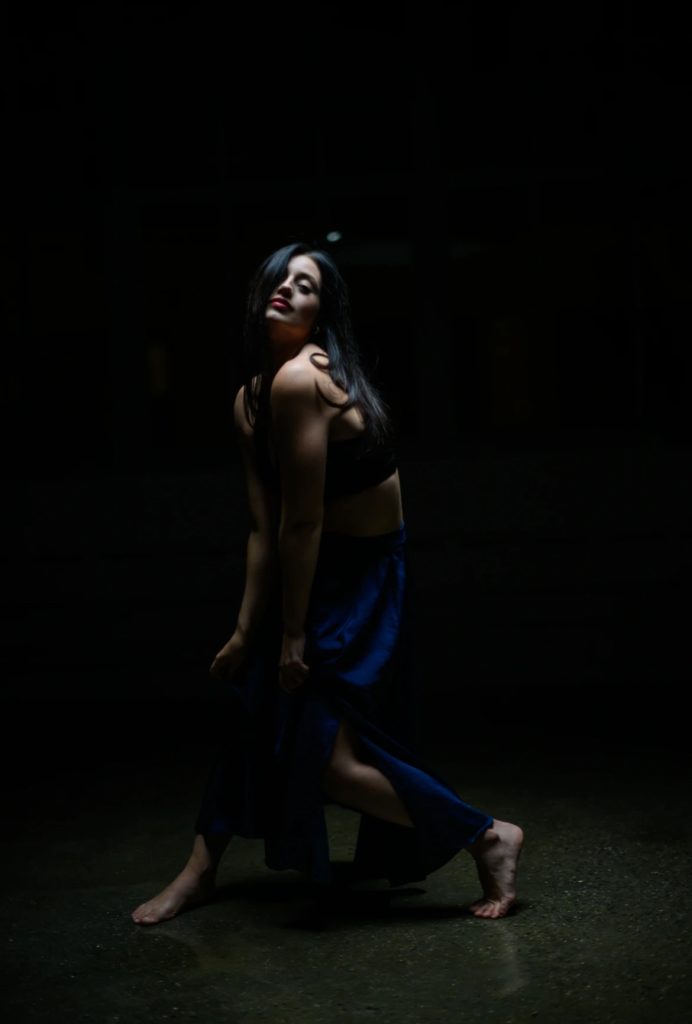
Taylor’s journey didn’t begin with a script, but with a pair of shoes and a stage. Starting at the age of five, she immersed herself in ballet, tap, hip-hop and technical theatre jazz. This wasn’t just a hobby; it was a rigorous education in spatial awareness and teamwork that would later become her secret weapon on a film set. When she moved to New York City for theatre school, the transition from movement to monologue felt like a natural evolution of her existing artistry.
“My dance background has helped me more than a lot of classes I’ve taken in acting. I owe everything to my dance teachers for putting that discipline in me. When a casting director asks why they should hire me, my first answer is because I’m a dancer. I’m spatially aware, I understand blocking, and I know how to hit marks so I’m always in frame. My brain maps out how many steps it takes to get to a point, just like choreography.”
The Discipline of the Dance
This technical precision is balanced by a hard-won perspective on the “grind” of the industry. Taylor noted that the 12-hour days on her feet in heels were nothing new compared to the grueling rehearsal schedules of her youth. However, she’s quick to point out that while dance demands perfection, acting requires a certain willingness to let go. She describes the internal battle between the analytical perfectionist and the trusting artist as the key to getting truly good results on screen.
Intuition and The Lonely Crowd Audition
The casting process for The Lonely Crowd was a gauntlet of chemistry tests. Unlike the modern standard of isolated self-tapes and Zoom calls, director David St. Clair pushed for in-person callbacks to see how potential leads vibrated against one another. Taylor’s experience was a masterclass in professional intuition; despite a long day of reading with multiple actors, she felt an immediate, undeniable spark when paired with Adam, who eventually landed the role of Peter.
“The very last person I read with was Adam. I remember walking out of the room and telling myself, ‘We booked this. I know it’s us.’ The funny part was, I actually didn’t book it initially. They called and said it was between me and another actress, but they felt I was too young. I wasn’t even upset because, in my heart, I knew this was my role. A week later, I got the call that it had worked out. Sometimes, you just know a role belongs to you.”
Finding Ashley: A Mirror in the Script
One of the most fascinating aspects of Taylor’s portrayal of Ashley is the sheer number of “coincidences” that aligned the character with her own life. From being a middle child with two sisters to the specific journey of moving from the suburbs to the city, the script felt almost like a biography in parts. Even the fictional “Green Valley” resonated with her real-world hometown of Garnet Valley. This alignment allowed Taylor to lean into the character’s defensiveness with an authentic understanding of what it means to keep one’s guard up.
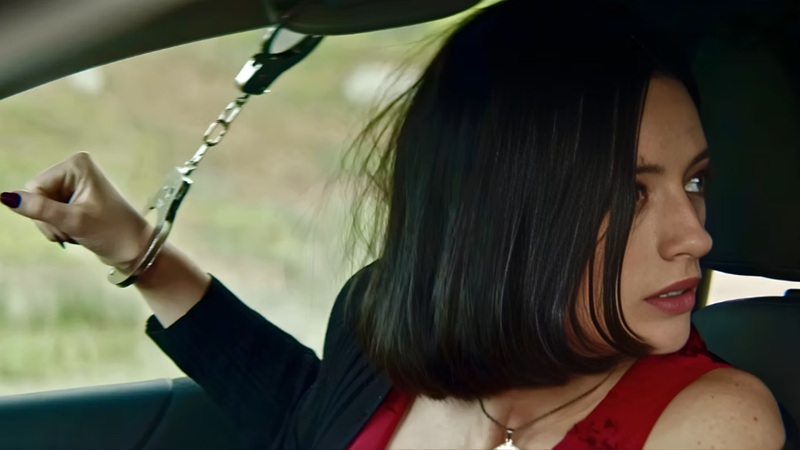
“Ashley is unreadable and complex. On the outside, you see this defensive wall, but she’s actually very vulnerable and looking for something she can’t quite figure how to reach. I loved that her backstory – the sick mother, the reason she took the money – wasn’t revealed immediately. She isn’t a victim asking for pity; she’s a person you have to learn to trust through time. I brought a bit more charm to her, perhaps, but my main goal was to make her as human as possible.”
Action, Romance, and the Anti-Hero
While The Lonely Crowd operates as a thriller with romantic undertones, Taylor found herself yearning for a bit more of the “action” side of the genre. Given her background in choreography, she’s naturally drawn to combat and stunt work – the “femme fatale” energy that her look and hair often suggest to casting directors. She admits to being slightly jealous of the physical hits Peter’s character took during the film.
“I love that anti-hero, messy, but complex character. My dream role has always been Catwoman – someone who is put together but fundamentally a little bit broken and very good with words. I prefer thrillers over straight romance because life is unpredictable. Things happen when you least expect them, often while you’re on the run, and I think that’s why the romance in this film feels so earned.”
The Horizon: Cumulative Effort
With over 20 projects in the last three years and two features released in a single week – a Lifetime movie and The Lonely Crowd – Taylor is living the reality of a full-time actor in Hollywood. She describes the lifestyle as a series of extreme highs and lows, where one week is spent on a 12-hour set and the next is spent back in the audition room, questioning everything. Yet, her outlook remains “glass-full,” rooted in the belief that consistency and hard work create an inevitable momentum.
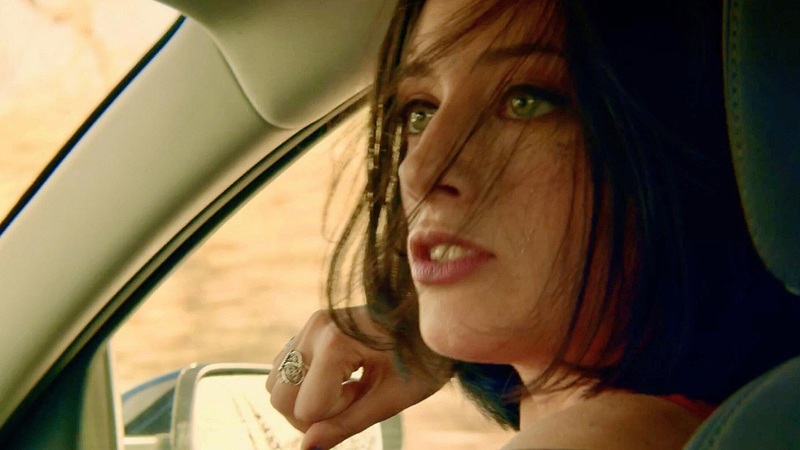
As she looks toward the next chapter, Taylor isn’t interested in a rigid five-year plan. Instead, she’s focused on roles that “emotionally fulfill” her and projects that allow audiences to step into someone else’s shoes. Whether she’s playing a “messy girl” or a calculating femme fatale, Taylor Anne Danehower is proving that the discipline of a dancer and the soul of an actor are a formidable combination in the modern cinematic landscape.