
In the shimmering, competitive vacuum of Los Angeles, the distance between a $250 million blockbuster and a micro-budget horror film shot in a single day is vast, yet invisible. For South African-born actor and filmmaker Angelique Pretorius, navigating this landscape has been a masterclass in the “messy, magical” transition to becoming a multi-hyphenate.

But beneath the glamour of Sunset Boulevard lies a sobering reality. In a candid conversation with Spling, Pretorius peels back the curtain on the financial friction and cultural hurdles of the modern film industry.
The Culture of the “Verbal Business Card”
Transitioning from the modesty of the South African industry to the high-stakes self-promotion of LA was Pretorius’s first real taste of the competitive economics of the “room.” In Hollywood, time is a currency, and if you aren’t spending it on your own pitch, no one is buying.
“You have to literally be ready to offer them your elevator pitch in two sentences and not be embarrassed. In South Africa, as an actor there was never a need for that. But here it’s very different because no one has the time or interest to look into what on earth you’ve done professionally.”
The Streamer Stranglehold: Waiting for a “Big Swing”
The most significant shock for any indie filmmaker today isn’t the cost of production (as challenging as that is) – it’s the difficulty of getting it out there. It’s that once you wrap, Pretorius notes, the era of streamers buying indie films is largely over. Now, the gatekeepers are looking for something specific, and usually, that something is expensive.
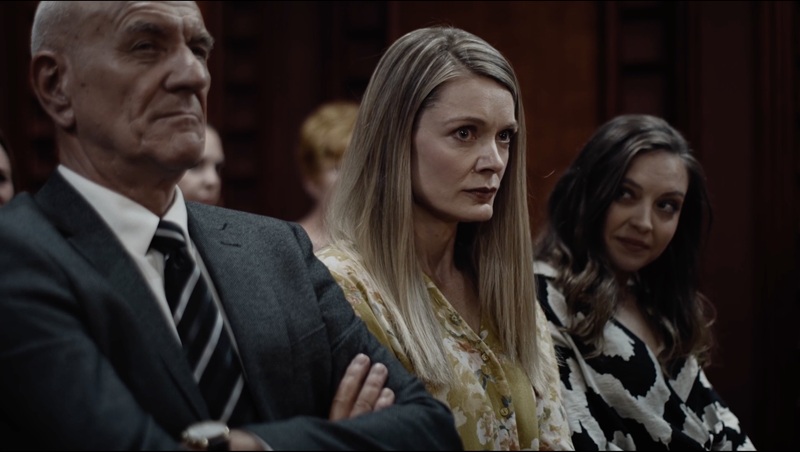
Spoorloos
“I always heard murmurs of how most films don’t make their money back, but I didn’t want to believe it… It was quite tough for me to wrap my head around the fact that legitimately this is a huge gamble and the odds, unfortunately, are against you.”
The fear-based industry has resulted in feedback from distributors, sales agents and major platforms being more interested in the name talent you have to move the needle than any other aspect of the film.
“Unless you have big names and a certain budget… you might have to rely on paid or ad-supported views over an extensive period. So in that way, it can take a very long time to recoup your investment. And as a filmmaker you can kind of get stuck, because you haven’t made your money back from the first one. How do you get onto the next one?
That said, our last movie Mind Thief, after having a successful film festival run, turned out to be an invaluable showcase and calling card for us. If one can make something entertaining for very little money, it shows potential for larger projects.”
From Actor to Producer: The “Most Grown Up” Hat
As an actor, Angelique used to arrive at her call time on set to find everything perfectly orchestrated in terms of the location, schedule and the many logistics. As a producer – a role that Pretorius says requires her to wear her big-girl pants – requires that you manage the physical and financial debris.
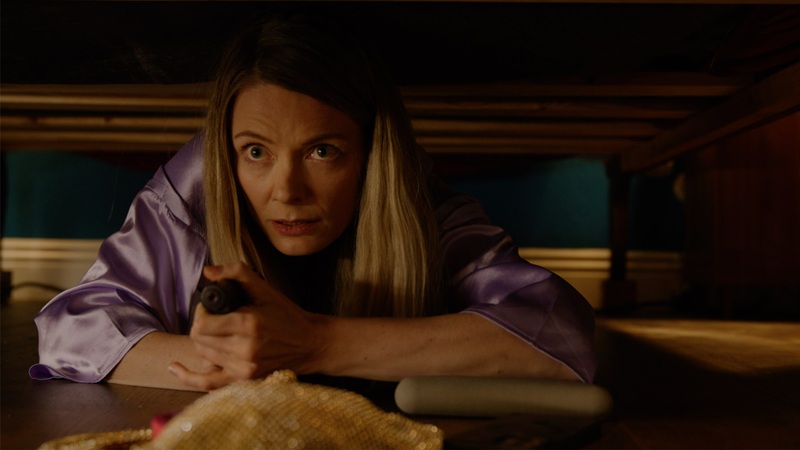
Sweet Revenge
“[Producing] is such an essential role… It’s basically event organisation and project management on a very large physical, practical scale. Doing it myself has given me such enormous respect for producers and just how underrated they are.”
The Indie Production Spectrum
Pretorius has seen the extremes of the American business model firsthand… from micro-budget filmmaking, where a movie is shot in a single day with a few cast members all the way to $250 million blockbusters that exist in a different stratosphere of spending.
The Blank Check Dream
Despite the “brutal” nature of the business, the creative spark remains. When asked what she would do with a blank cheque today, Pretorius didn’t hesitate. She and her writing partner have multiple scripts, including an AI romcom thriller, ready to go – projects that require a substantial budget to meet the criteria of the modern market.
She has learned the ultimate lesson of the Hollywood multi-hyphenate: be realistic enough to know when you need a “name,” but bold enough to write the script that demands one.
Although her production company’s recent film has perhaps run into the typical commercial challenges prone to the industry’s current climate, it’s also opened some incredible doors. It’s given Pretorius and her Electric Boots Entertainment writing/business partner, Matt Steinauer, more focus and drive than ever.
She’s excited, not only about participating in the industry in a more significant way, but to be part of the change that makes way for new creative voices.