
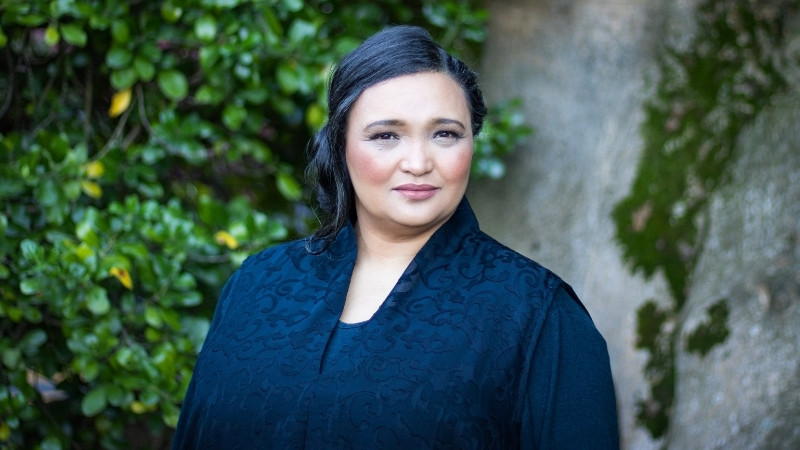
In the landscape of South African cinema, few names command as much respect for pure, transformative craft as Zenobia Kloppers. Known for her soul-stirring portrayal in Fiela se Kind, Kloppers is currently navigating a career milestone that most actors only dream of: a rare “double premiere”. With the simultaneous release of the drama 180 and the American horror film Hive, Kloppers is proving that her range is not just a talent but a survival strategy in an evolving industry. In a recent conversation with Spling, she delved into the discipline of acting, the mechanics of directing and the “uncomfortable truths” of filmmaking in 2026.
Breaking Typecast through Stylistic Adaptation
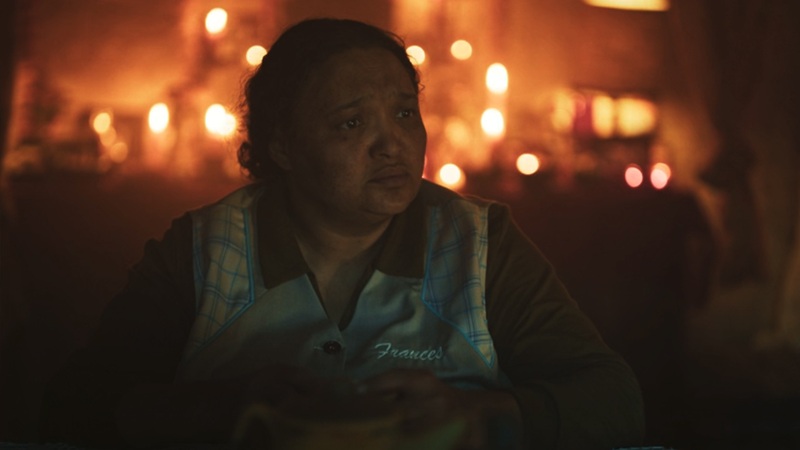
For years, Kloppers has been a staple in heavy dramas, often finding herself cast in mother-figure roles. However, her role in Hive marks her first major foray into the horror genre. For Zenobia, the shift isn’t about changing her acting DNA; it’s about stylistic adaptation. She explains that as a performer, she plays the character regardless of the genre. Whatever the character demands in terms of the drama, she brings the same level of commitment, looking at backgrounds, feelings and motivations.
Stylistically, she notes that “everything has a tiny bit of stylistic difference” when playing across genres. In Hive, she plays a housekeeper who hides in plain sight, a survivor navigating a world of jump-scares and practical effects. She credits her success in the role to the collaborative nature of her director, Felipe Vargas, noting that actors must trust the director because they are the eyes that ultimately shape the performance in the editing room.
Stepping Behind the Lens
In 2022, Kloppers expanded her toolkit by moving into directing and writing. Mentored by Brett Michael Innes, the director of Fiela se Kind, she helmed her first short film, Riel, which explored the cultural context of the Riel dance. This directorial work isn’t just a hobby; it’s a response to the systemic barriers she faced as a woman of colour in the industry. She notes that she got into filmmaking quite late, in her 40s, because of those very barriers.
Kloppers has since moved into gothic romance with Helmhart (a Silwerskerm Festival short film) and is currently developing a feature film. Her transition highlights a growing trend in the South African industry: the versatile artist who writes, directs and performs to ensure their stories reach the screen despite financing challenges. She emphasises that while the ideas and scripts are there, the industry lacks enough financial support to make the films happen at the scale many creators desire.
Local Talent on a Global Scale
Having worked on high-budget international sets like The Wheel of Time in Prague, Kloppers is quick to acknowledge that South African crews uphold international standards, comparing local sets to overseas productions. The primary difference, she notes, is the luxury of time. International productions often have the budget to spend days on a single massive scene, whereas South African productions must move with extreme speed – a “one, two, let’s shoot” mentality. This fast-paced environment has turned South African actors and crew into some of the most efficient and adaptive professionals in the world.
The Uncomfortable Truths of 2026
When asked what advice she would give a performer starting their career today, Kloppers is characteristically candid. In an era where AI is filling in the gaps of imagination and the economy is tight, she views acting as a blue-collar profession rather than a shortcut to fame. She warns that new performers shouldn’t expect to get rich, as actors in South Africa are workers like anyone else, moving from job to job.
She stresses that if you are going to go into this seriously, you must climb into it with both feet. For Kloppers, being a performer in 2026 requires an entrepreneurial spirit, often involving side hustles like writing or teaching. She believes that no one’s going to offer a career on a silver platter; even the most established actors are still auditioning for every role. To survive, an artist must stay fit for the audition and pursue their passion as if their life depends on it.
The Future of the Imagination
While she has already played her dream role as Fiela, Kloppers isn’t slowing down. As a self-proclaimed “sci-fi and fantasy freak”, she still has her sights set on international work, dreaming of a role in Doctor Who or something within the Star Trek or Star Wars universes. Whether she’s playing a survivor in a haunted complex or directing a cultural masterpiece, Zenobia Kloppers remains a testament to the power of the human imagination. She laments that modern society often overstimulates children, leaving them little room to be bored enough to create their own worlds, and she views her work as a way to reclaim that essential human magic.