
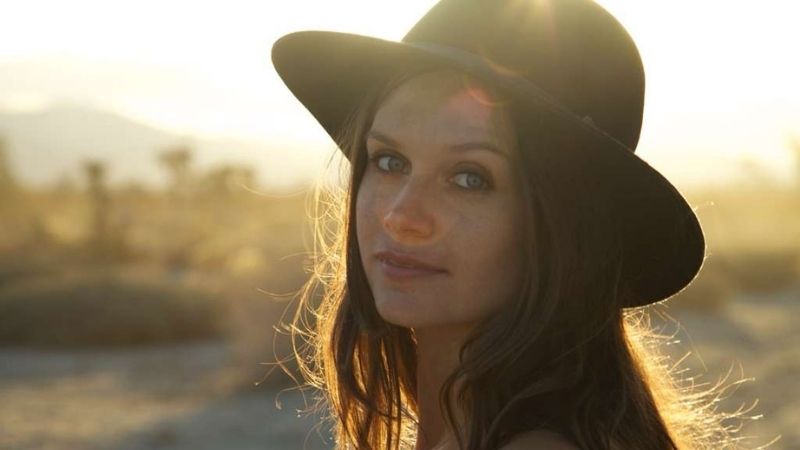
Filmmaker Julia Jansch approaches documentary storytelling with the structural fortitude of a screenwriter. Her critically acclaimed film From Dust We Spin, which follows a female car spinner on the Cape Flats navigating her way out of severe depression alongside a grieving mentor, has garnered Oscar buzz for its deep emotional resonance and highly structured narrative feel. During a recent interview, Jansch broke down how she actively applies traditional screenwriting mechanics to real-life subjects and uses narrative foreshadowing to amplify emotional payoffs.
Scripting Reality: The Story Arc
While documentary filmmaking is often associated with a passive, “fly on the wall” observational style, Jansch actively curates real-world situations to drive her story forward. She searches for classic narrative beats – an inciting incident, a climax and a resolution – long before the cameras roll.
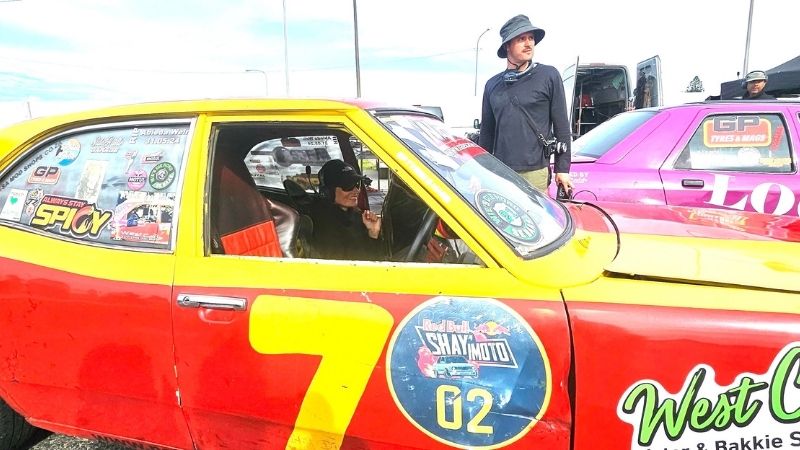
By understanding the desires and obstacles of her subjects, Jansch structures shooting schedules around anticipated dramatic beats, effectively scripting the documentary from the ground up. If her subject, Mark, needs to host an illegal spinning event for his students to practice outside of the expensive official arenas, Jansch incorporates the planning and execution of that event as a structural plot point.
“I think any good story has all the storytelling mechanics. An inciting incident, a climax, a resolution. So I’m looking for that from before we’re shooting. And that is… those are goalposts that are moving the whole time because I’m learning more about the characters, so I’m scripting literally from the get-go… So these things are real things. Mark hosting an illegal event, [Logan] meeting Eddie Rasta, but they are suggestions that are coming from me as a creator of the story that aren’t… they’re not fake in the sense that she would love to meet him.”
Letting the Characters Hijack the Plot
Despite having a detailed schedule, Jansch emphasises the importance of allowing the subjects to override the “script” when reality offers a more compelling scene. Writers and directors must remain flexible enough to recognise when authentic human friction supersedes a planned structural beat.
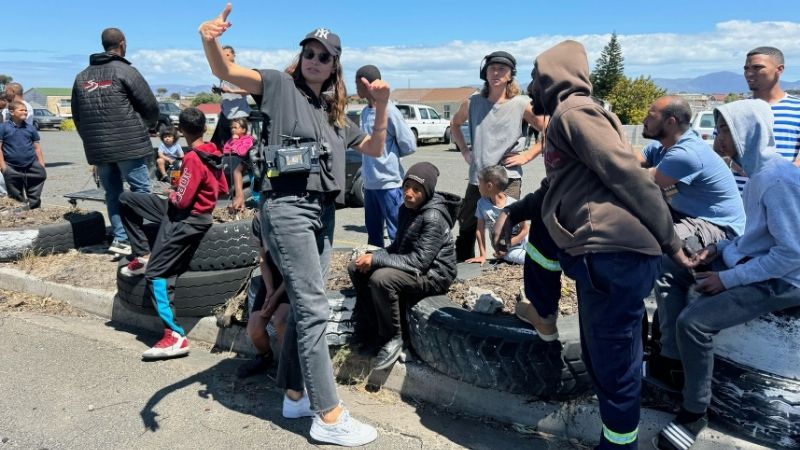
“I had in the schedule, Logan, because I knew from that first meeting that Logan’s mum was not into spinning. So the first thing we were going to shoot was that Logan was going to tell her mum about a spinning event that Mark wants to do. That was the beat in the schedule. But when we showed up at Logan’s house, Tessa, the mum, was sitting in the garage, Llewellyn was washing that car, she was smoking a cigarette, so stressed out, and they were having a tiff. And we were prepping camera in the kitchen. And I did what any DP hates, I said, we’re not breaking this all down, we’re going into this room, and we started filming their argument… So again, you’re letting the characters lead you the whole time, and you’re looking for drama.”
Foreshadowing Non-Fiction
From Dust We Spin initially began as a politically charged film examining why car spinning is illegal and the ongoing battles with local law enforcement. However, veteran documentary producers Shane Boris and Natalia Fuetes advised Jansch to pivot away from the politics and focus entirely on the human element: Logan’s journey from a “zero state” to the “infinity state” (the figure-eight signature spinning move), and Mark’s underlying grief. To make this emotional undercurrent work, they stressed the importance of “signposting”.
In screenwriting, signposting functions as foreshadowing – planting visual, thematic or auditory cues early in the narrative so that later emotional revelations feel earned rather than abrupt. To achieve this in her documentary, Jansch went back to capture specific B-roll and orchestrated musical cues that would subconsciously prepare the audience for Mark’s emotional climax.
“What is signposting? It’s foreshadowing. So we went back to shoot the ashes in Mark’s room when he wakes up in the morning… you can signpost with music. When he walks with his windshield into his garage and the camera glazes over that quote from the Bible, from the dust or ashes to ashes or whatever, the music cues in. So we know we have to take note about these ashes and the grief… And so then in the edit, and with the music, you’re constantly massaging an arc and a story.”
By meticulously planting these seeds, Jansch ensures that when Mark finally admits he’s ready to let go of his mother, the moment feels like the culmination of a carefully crafted narrative arc. Through scripting reality and strategic signposting, Jansch proves that the boundary between documentary truth and narrative mechanics is beautifully porous, allowing filmmakers and writers to build profound emotional resonance regardless of the medium.