
Screenwriters often struggle with this paradox: how do you write a ‘good guy’ who doesn’t feel cliché? The current film landscape is dominated by subverted tropes and morally gray anti-heroes, which makes crafting a genuinely noble protagonist without drifting into boring predictability a serious narrative challenge.
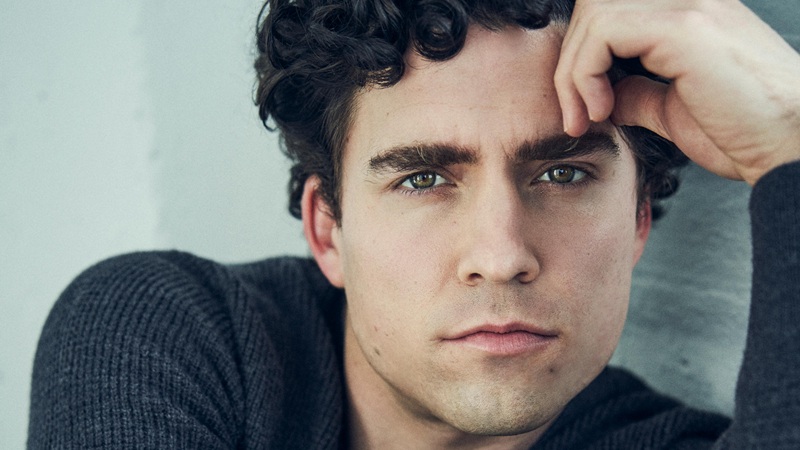
To unpack how to bake true emotional depth, masculinity and unwavering chivalry into modern scripts, reviewmyscript.com sat down with Hollywood actor Adam Wesley. Speaking with script editor and film critic Stephen “Spling” Aspeling, Wesley dives deep into his performance as Peter in the thriller-romance hybrid The Lonely Crowd, sharing his unique philosophy on character transformation, work ethic and what it truly means to play a hero.
From Berklee to the Breakdown: The Metamorphosis of Adam Wesley
Every great protagonist needs a compelling backstory, and Wesley’s real life reads like a beautifully structured three-act script. Before finding his calling on set, he spent over 15 years navigating the tumultuous highs and lows of the music industry.
“I was at a very low point in my life doing music and I did that for many years. I did it for over 15 years… I wrote songs that were on the radio. I got awards. It was a lot of ups and downs… I felt really burnt out.”
A short-lived stint studying kinesiology in biology class convinced him he was meant for different things. While living in Las Vegas, a bizarre string of encounters – several different strangers asking if he was an actor – planted a seed. It unlocked a childhood memory of his parents (both accomplished musicians) and his brother sitting around the dinner table, discussing legendary films like Gladiator and Saving Private Ryan.
“They’re sitting at the dinner table once when I was really young… and they go, ‘Man, if there was an actor in our family, it would be Adam.’… I asked them why when I was younger, they said, ‘Oh, because you’re so emotionally available and you’re so willing to be vulnerable in so many aspects of your life that you don’t fear that.'”
Prompted by a university counsellor who handed him Ivana Chubbuck’s seminal book ‘The Power of the Actor’, Wesley made a high-stakes choice straight out of a Hollywood drama. He sold his car, his clothes and his high-end musical equipment, moving to Los Angeles to commit completely.
Building the Anchoring Emotional Weight
In The Lonely Crowd, Wesley plays Peter, a brooding ex-baseball athlete struggling with substance abuse and a broken relationship, who finds himself thrust into a dangerous misadventure alongside a sparkling but vulnerable woman named Ashley.
Spling notes that Wesley brings a distinct, anchoring emotional weight to the screen – a heavy, silent disposition reminiscent of Russell Crowe or Liev Schreiber. For Wesley, that brooding intensity wasn’t fabricated; it was drawn directly from his DNA and ancestry.
“I think, to be honest, depression and that kind of sadness lives in me, in my DNA. I have two older brothers, where it really lives in them, especially my oldest… it’s a real way of life. There’s this beautiful heart that they have, but it’s so molded and casted by so much grief and loss.”
To physically embody this internal heaviness for the character of Peter, Wesley adjusted his regimen:
Caloric Surplus: Gained deliberate weight to look physically heavier on screen.
The ‘Brooding Athlete’ Persona: Mimicked the posture of a retired baseball player leaning into melancholy.
Ancestral Pride: Channeled his grandfathers – one a wartime boxer, the other a rugged ship welder.
For screenwriters, this is a masterclass in character definition. A protagonist’s silence shouldn’t be empty text; it must be heavy with history, giving the actor a rich foundation to perform before they even speak a line.
The Motel Scene: Writing Vulnerable Rejection
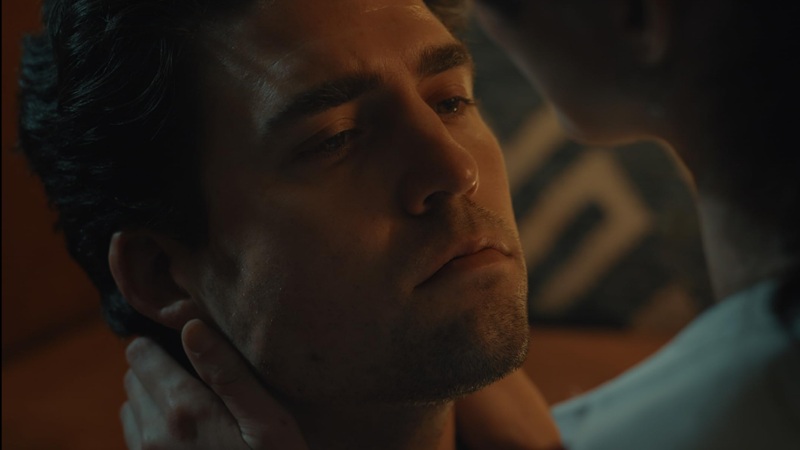
One of the definitive highlights of The Lonely Crowd is a sensitively handled late-night sequence in a motel room. His co-star Taylor Anne Danehower’s character, Ashley, is exposed and vulnerable, yet Peter chooses to sleep on a separate cot, intentionally declining to take advantage of the moment.
Spling identifies this as a refreshing display of “lion-hearted” chivalry, a quality rarely highlighted in modern relationship commentaries. Wesley explains how he approached that delicate narrative friction:
“It’s the chivalry that a gentleman would have going, ‘Oh, you know what, I think I am falling for this girl. And I don’t want to take advantage of her vulnerability and her being in a situation where, yes, she does need to be cared for and held and protected. But I don’t want to have this experience be the first time.’… I think that’s the gentleman’s way to handle a woman.”
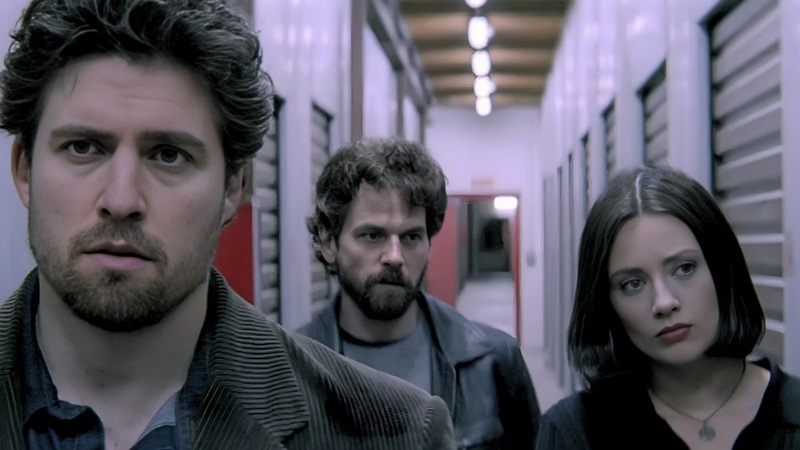
However, human behavior is rarely a straight line. Wesley admits that a script combining distinct narrative drafts initially made it difficult to find psychological continuity between Peter’s early bitterness and his later heroism.
“I think when I was struggling in the beginning, I was like, ‘Oh, God, why would I say this and why would I do this? Why would I get so upset at her this way? And then be like a gentleman and then yell at her…?’ I would have to go deeper into my insecurity as the character… I’m more bitter in the beginning. I’m more let down… But over time, I start to warm up to her and open my shell.”
This highlights a vital lesson for screenwriters: Embrace the contradictions. Human beings slip up, act out of insecurity, and project their wounds onto others. Writing a hero who is initially defensive or flawed makes their ultimate act of self-sacrifice infinitely more satisfying.
“No Sacrifice, No Glory”: What Drives the Hero?
When Spling asks what ultimately pushes Peter down his dangerous, protective path when he knows he might not even “get the girl,” Wesley points straight to an unyielding moral compass.
“I had a brilliant mentor of mine that was a conditioning coach for me in martial arts… he would say, ‘No sacrifice, no glory.’… Champions pay the price. It’s so true, man. You don’t feel fulfilled unless you go headfirst all the way with no doubt in your mind that you gave your all… What lives in me is definitely Batman… Yeah, I’m dark and brooding, and I have the sadness, but in the end, I know what’s right. I’m not going to let a woman be treated that way.”
This deep-seated attraction to sacrificial love is what Wesley actively pursues in his craft, drawing inspiration from actors who completely lose themselves in their work. Whether it’s playing an erratic, neurotic academic, a ruthless drug dealer navigating an intense real-time crisis in a hospital, or performing a terrifying, highly physical sequence that echoes his childhood night terrors, Wesley demands that a script challenge him.
“I think if it scares me, for sure… that’s the kind of stuff that excites you as an artist, as an actor… I want to keep going. I have the determination to be patient and I will hold out, man, and I will keep working. And I think that’s where I differ from other people is my work ethic. I’m relentless.”
Screenwriting Takeaways from the Interview
For writers looking to craft a compelling, lion-hearted protagonist based on Wesley’s creative insights, keep these core principles in mind:
Anchor the Silence: Give your characters an ancestral or emotional history that manifests as physical weight. Let their silence speak volumes before the dialogue does.
Build Chivalry Through Restraint: True romantic tension and respect are forged when a character chooses protection over self-gratification in moments of vulnerability.
Incorporate Flawed Contradictions: Allow your hero to be bitter, defensive or guarded in Act I. Their evolution into a protector should be a gradual peeling back of their emotional shell.
Keep the Arc Sacrificial: A true lion-hearted hero doesn’t act for a reward or an guaranteed happy ending; they step into the line of fire simply because “she’s in trouble,” demonstrating a pure, unmistakable purity of spirit.